
Regulated cargo / 05
Hazardous chemicals
Two separate requirements: the right to trade, and the right to import that specific substance.
- 01
The substance is on a registered inventory
A business licence alone does not permit any particular substance.
- 02
The safety data meets the Chinese standard
A sheet in another country’s format is a frequent cause of query.
- 03
Packaging and marks are right
For the transport mode actually being used.
The route
How a consignment moves
- 01
Establish which regime applies
Hazardous chemical and dangerous goods are separate classifications with separate catalogues. A substance can be one, both or neither, and the answer decides the whole file.
- 02
Check the substance against our inventory
If it is listed, the route is open. If not, it can in many cases be added.
- 03
Reissue the safety data if needed
To the Chinese classification standard.
- 04
Settle the label before the goods leave the factory
The safety label is applied by the manufacturer before despatch. Neither an agent nor a forwarder may add or alter one afterwards, so a defect found on arrival cannot simply be corrected here.
- 05
Obtain an import licence where required
Before shipping.
- 06
Confirm packaging and dangerous goods marks
For the mode of transport.
- 07
Declare through the licensed entity
Which holds both the business licence and the inventory entry.
- 08
Deliver to a permitted site
One entitled to receive and hold the substance.
What we do
Our registration currently covers 55 substances, all registered for import — including crude petroleum oil, methanol, dichloromethane, formaldehyde solution, phosphoric acid and denatured ethanol, alongside a range of industrial coatings, hardeners and reagents. If your substance is not yet on that list, it can in many cases be added. That process is one of the things we do. We also prepare the documentation the substance travels on — a bilingual safety data sheet to the Chinese classification standard and the GB 15258 hazard label — drafted before the packaging is printed rather than corrected at the port.
Discuss a shipmentWhat you need
Documents
- Safety data sheet to the Chinese standard
- Classification and hazard identification report
- Inventory entry for the specific substance
- Import licence, where the substance calls for one
- Chinese hazard label and packaging marks
- Dangerous goods packaging certification
- Invoice, packing list, transport document
- Declaration of conformity for imported hazardous chemicals
- Statement of inhibitor or stabiliser actually added, where the product needs one
- Packaging performance and use appraisal result sheets, on export
Licences we hold
- Hazardous Chemicals Business Licence (trading, without storage) — Angu Biopharmaceutical Technology Co., Ltd., Shanghai, valid to 8 July 2029
- Registered hazardous chemicals inventory, 55 substances — registration number 31012601888
From our own files
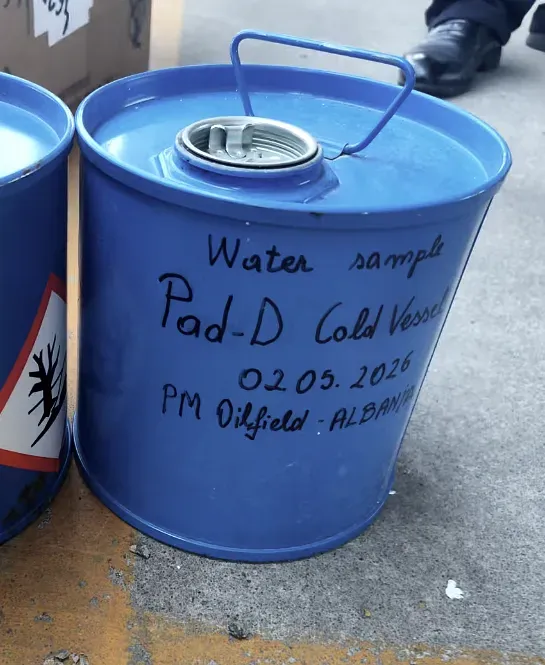
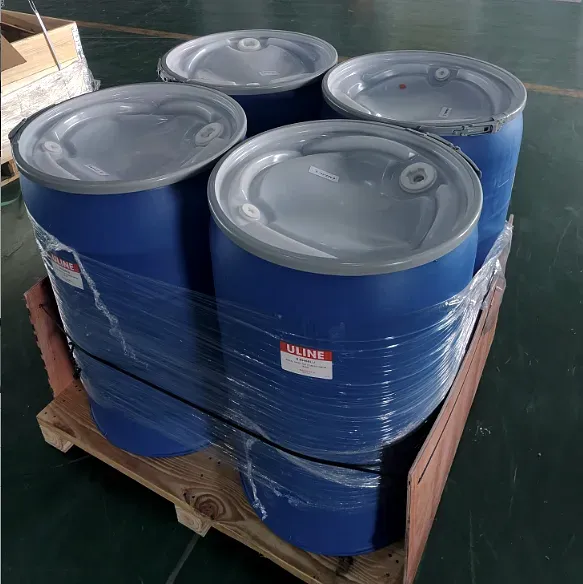
Where it goes wrong
Not on the inventory means not declarable.
Whatever its classification at origin, the substance has to be on the importer’s registered list.
A licence to trade is not a licence to import this.
The two are granted separately and checked separately.
No certificate is issued any more.
The registration is maintained as a list of substances. That list is what should be checked.
Operating evidence
Questions
Our substance is not among the 55 already registered. Does that stop the shipment?
Not usually. A substance can in many cases be added to our registered inventory, and we have done exactly that for a client importing crude petroleum oil. It takes time, so it belongs at the start of the conversation rather than at the port.
Our buyer holds a hazardous chemicals business licence. Is that enough?
No. Two separate things are checked: the right to trade in hazardous chemicals at all, and a registration covering the specific substance being imported. Holding the first does not imply the second.
Can we use our existing safety data sheet?
Only if it meets the Chinese classification standard. A sheet prepared to another country’s format is one of the most common causes of query on entry, and it is straightforward to fix before shipping and awkward to fix afterwards.
We were told the registration certificate had expired.
Under current practice no standalone certificate is issued. The registration is maintained as a list of registered substances, and it is that list which should be checked rather than a certificate date.
Is a hazardous chemical the same thing as dangerous goods?
No, and the difference decides which rules apply. They are separate classifications with separate catalogues. Boric acid is a hazardous chemical but not dangerous goods, because many chronic health and environmental hazards are not recognised by the transport criteria. A lithium battery is dangerous goods but not a hazardous chemical. A product can fall under one, both or neither, so both questions get asked separately.
Can the Chinese safety label be applied after arrival?
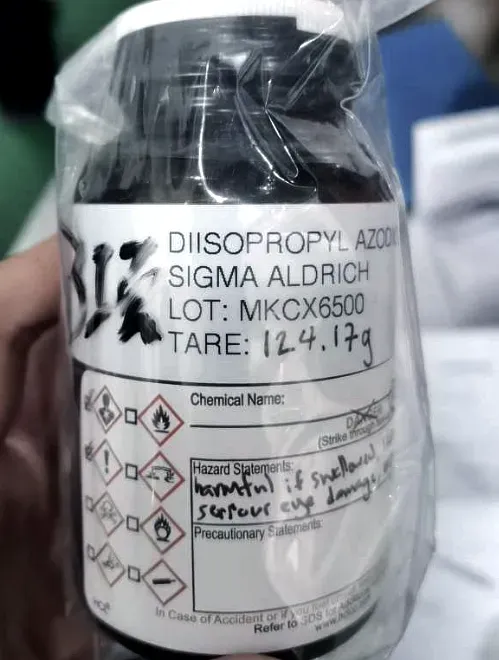
The safety label is the producing enterprise’s own statement of what is inside the packaging, and it goes on before the goods leave the factory. An agent or forwarder may not add or alter one on its own initiative afterwards. Where a label is found not to conform at examination, the routes are a revised label issued by the manufacturer and applied within what the supervising customs office permits, or re-export. The way to avoid needing either is to settle the artwork early. We draft the bilingual safety data sheet and the GB 15258 label with clients before the packaging is printed, then check label, sheet and declaration against each other before the goods move.
We only ship small quantities. Do the full rules still apply?
Quantity can reduce what applies, through excepted quantity or limited quantity provisions, but it does not remove the shipper’s responsibility for correct classification, packing, marking and information, and both routes still require properly tested packaging. Note also that the modes differ, with air the strictest — relief available on a truck may not be available on an aircraft.
Further reading
Hazardous chemical or dangerous goods? In China they are two different questions
Boric acid is a hazardous chemical but not dangerous goods. A lithium battery is dangerous goods but not a hazardous chemical. The two regimes have different lists, different authorities and different documentation.
Chemical safety labels for China: who may apply them, and where
The label is the manufacturer’s legal act, not a logistics task. A forwarder or agent applying or altering one at destination is itself the violation — which is why the label has to be right before the goods leave.