
Regulated cargo / 06
Artworks & exhibition pieces
Import, export, sale, and temporary entry for exhibition.
- 01
The route is chosen before shipping
Temporary entry for exhibition and permanent import are documented differently.
- 02
The declaring entity holds the record-filing
Artwork trading is a filed activity.
- 03
Provenance and valuation will stand examination
Declared value is examined more closely here than in most categories.
The route
How a consignment moves
- 01
Settle temporary or permanent
The choice is difficult to reverse once the pieces have arrived.
- 02
Establish whether any piece is a cultural relic
Outbound relics need appraisal, a three-part export permit and the appraisal office’s wax seal. Declaring without them means refusal; not declaring at all is handled as smuggling.
- 03
Check the materials against the species lists
Listed timber, ivory, tortoiseshell, coral or protected animal parts bring endangered species permits, whatever the object is called.
- 04
Assemble provenance and valuation
Prepared to be read by someone who will question them.
- 05
Declare through the filed entity
For exhibitions, through the affiliate that also runs commercial shows.
- 06
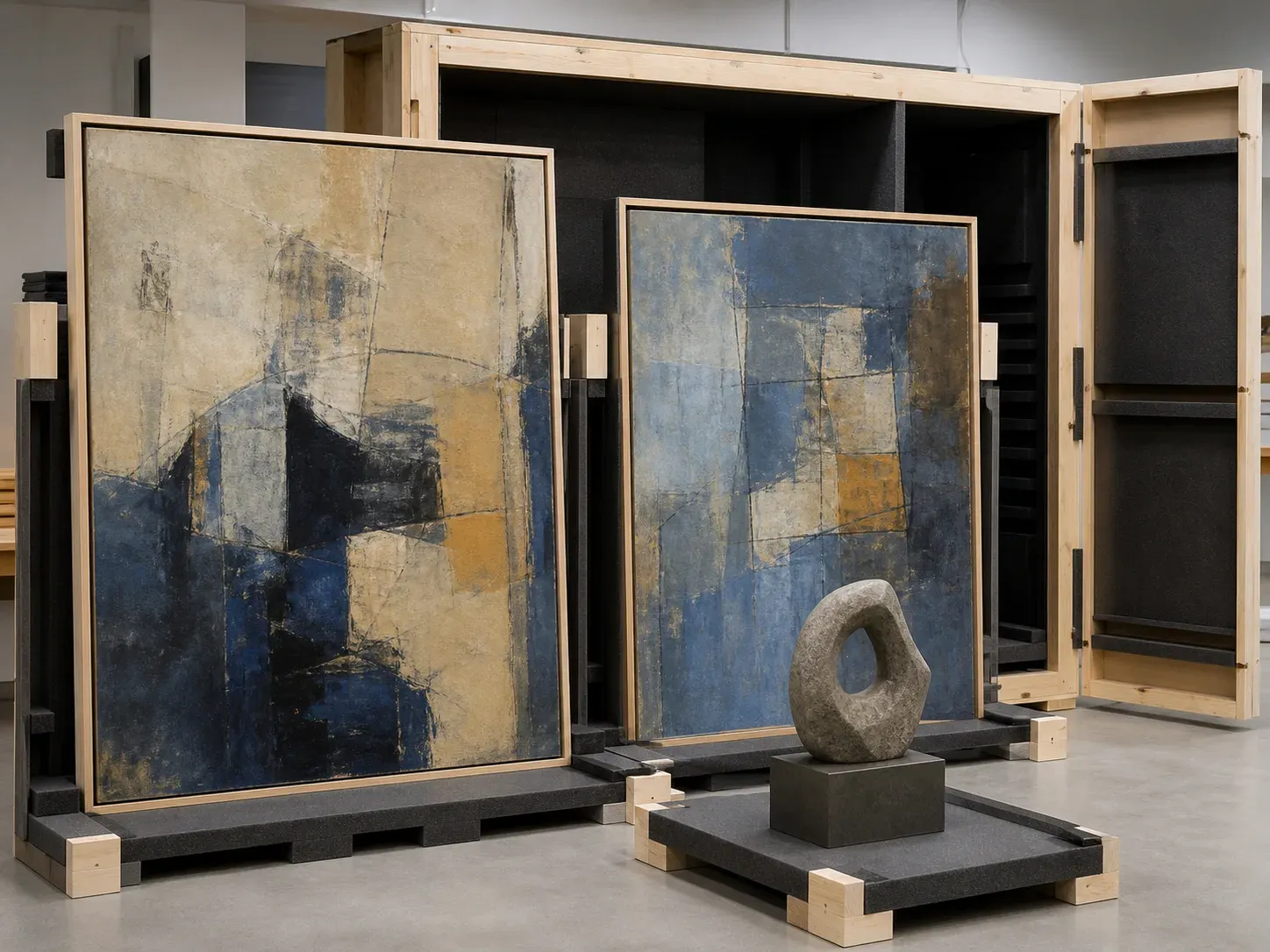
Specify packing per piece
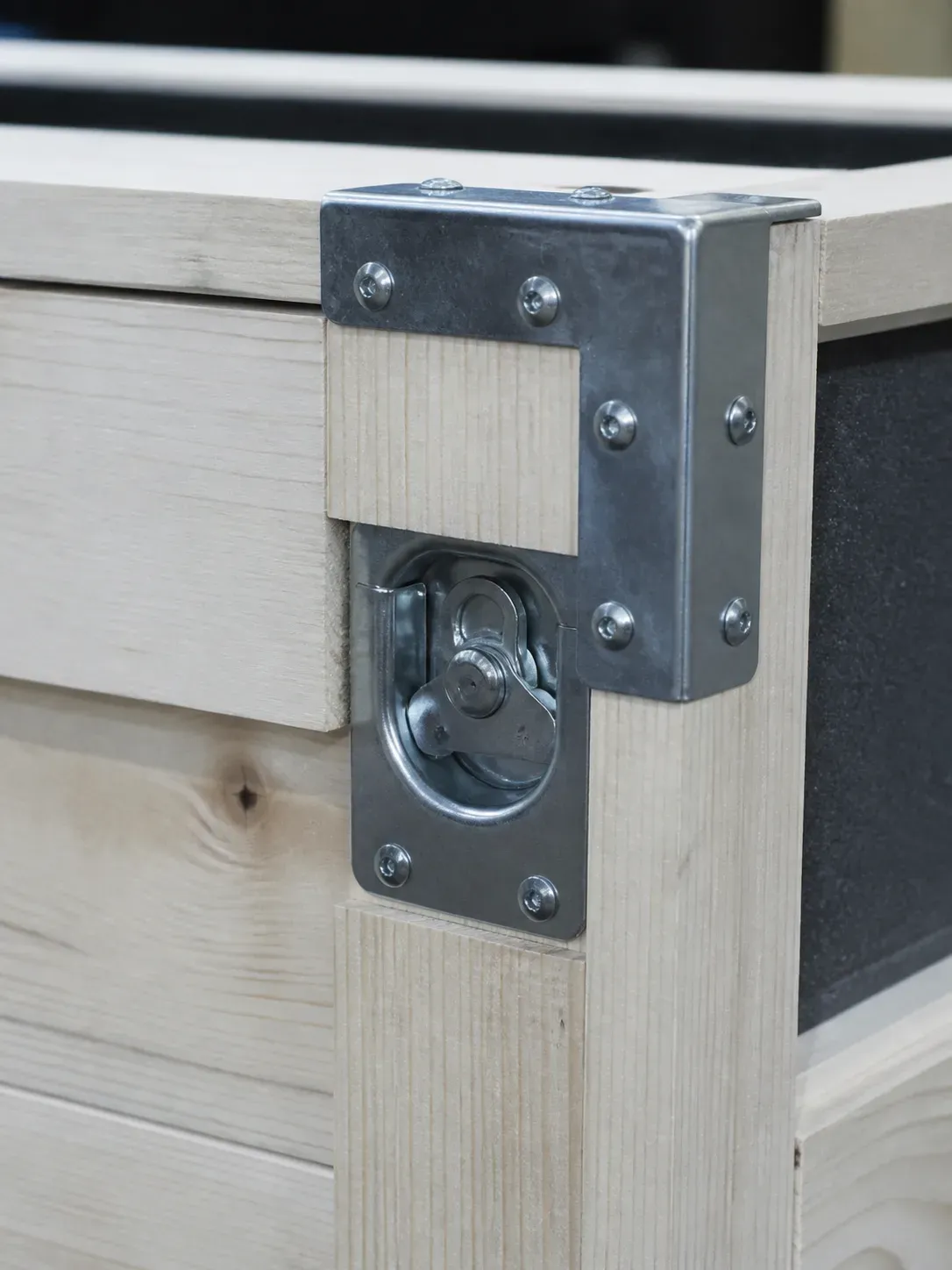
Crates, interleaving and moisture protection are decided by what is being moved.
- 07
Declare, inspect, deliver
To the venue or store, with the pieces present at inspection.
- 08
Reconcile what leaves
For temporary entry, against what entered, within the permitted period.
What we do
We hold artwork trading record-filings through two affiliated entities, one of which also handles commercial exhibitions — relevant if your shipment is entering China for a show rather than for sale.
Discuss a shipmentWhat you need
Documents
- Artwork trading record-filing
- Provenance and ownership documentation
- Valuation supporting the declared value
- Condition report and photographs before packing
- Exhibition documentation and intended re-export date
- Packing specification
- Cultural relic export permit and appraisal mark, for outbound relics
- Reproduction certificate and export mark, for reproductions
- Endangered species permit, where a listed material is present
Licences we hold
- Artwork Trading Entity Record-Filing — Yaofeng Technology Development (Beijing) Co., Ltd.
- Artwork Trading Entity Record-Filing — Chunshui International Exhibition Centre Co., Ltd.
Where it goes wrong
The wrong route is hard to reverse.
Temporary entry and permanent import are decided before shipping, not on arrival.
Declared value is examined closely.
More closely than in most categories, and queries are answered from the file you already built.
What leaves must match what entered.
Temporary entry is reconciled piece by piece, within the permitted period.
Questions
The pieces are coming for a show and leaving afterwards. Does that change anything?
Yes, and it has to be decided before shipping. Temporary entry for exhibition is a different route from permanent import, with its own documentation and a period within which the pieces must leave again.
How closely is the declared value examined?
More closely than in most categories. Valuation and provenance should be prepared to be read by someone who will question them, rather than assembled after a query has been raised.
Do you pack the works yourselves?
Yes. Packing is done in-house rather than subcontracted, specified per piece — oiled paper and moisture film for paintings, purpose-built crates for fragile and high-value items.
What does customs actually check when a cultural relic leaves China?
A three-part cultural relic export permit and a wax seal applied by the cultural heritage appraisal office. Three things on the permit are checked: the appraisal office’s seal, that the photograph matches the object, and that it is within its three-month validity. Reproductions leave against a reproduction certificate and their own export mark.
What happens if a piece is not declared on the way out?
It is treated as smuggling whether or not it was concealed — and this extends to works by deceased modern painters and calligraphers of note. Declaring without the permit produces a much softer outcome: export is refused and the piece returned, to be collected within three months, or one month for travellers between the mainland and Hong Kong or Macau. The difference between those two outcomes is entirely within the shipper’s control.
We brought pieces in temporarily. What could stop them leaving again?
Three things push a temporarily imported object into the ordinary export regime, where it needs a full permit. It was not declared on entry; the customs seal is found broken; or the re-export appraisal was not carried out as required. For an exhibition or auction, the appraisal belongs in the return timetable rather than being arranged when the show closes.
Further reading
No E or F code on the HS heading is not the same as no permit
The commodity code is a first filter, not the answer. Where any component of a product comes from a listed species, a permit is required even though the heading carries no supervision condition.
Taking art out of China: the wax seal is what customs actually looks for
A cultural relic leaves China against a three-part permit and a wax seal applied by the appraisal office. Carrying one out without declaring it is treated as smuggling, whether or not it was concealed.