
Regulated cargo / 10
Live & perishable goods
Quarantine, cold chain and time — the three constraints that decide the outcome.
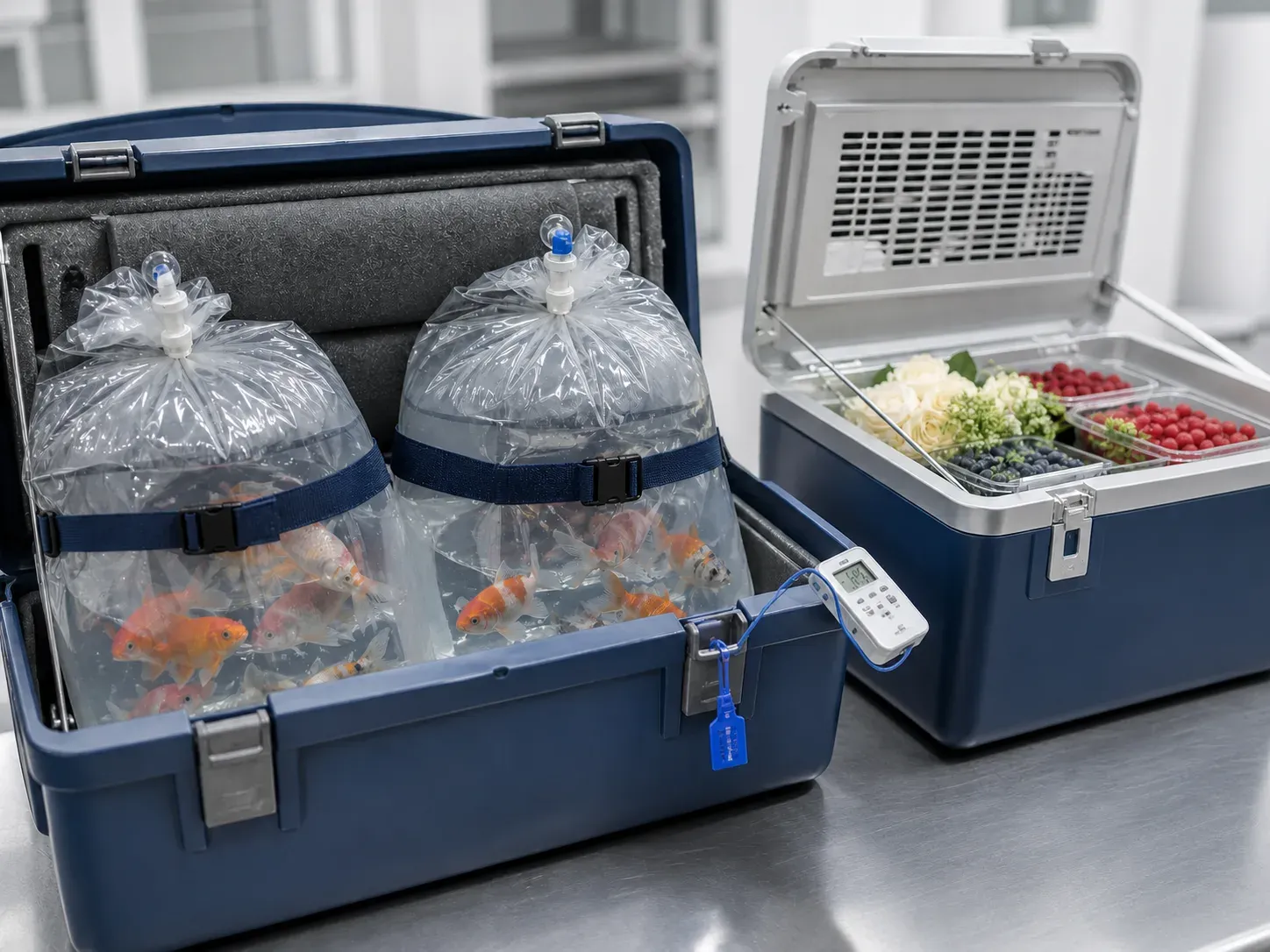
- 01
Quarantine approval is in hand
Before the goods travel.
- 02
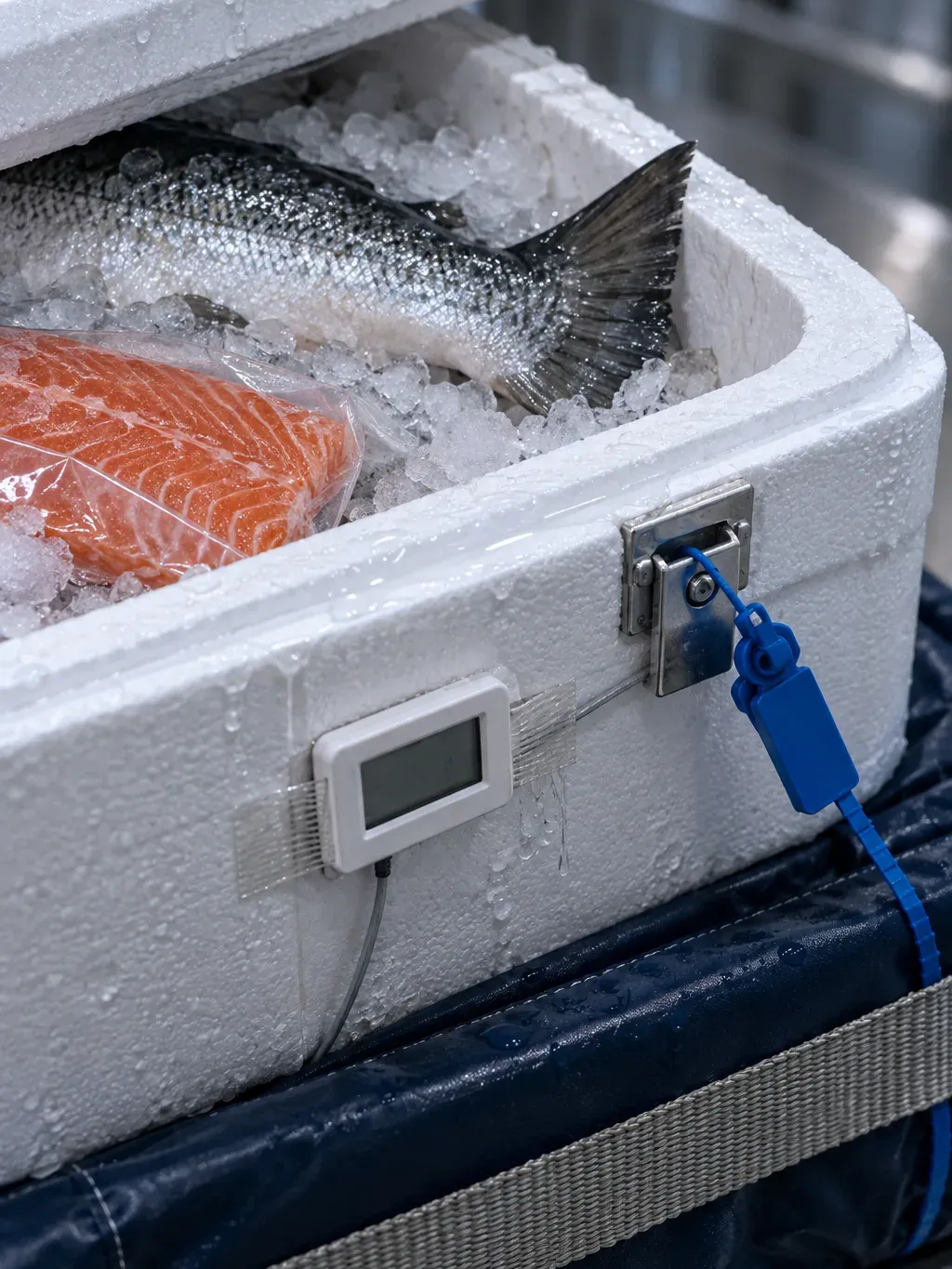
The temperature record is unbroken
Including the ground legs, where it is most often lost.
- 03
Inspection is arranged in advance
So checks run together rather than one after the other.
The route
How a consignment moves
- 01
Fix the viable transit time
Build the schedule backwards from it. That figure decides the routing, not the rate.
- 02
Confirm access for the species and the country
Live aquatic animals run on an access list. A species or an exporting country that is not on it cannot be imported, whatever else is in place.
- 03
Secure the isolation facility, then the permit
The facility use certificate comes first, because the quarantine permit application requires it. Applying in the other order simply gets rejected.
- 04
Obtain quarantine approval
Before departure.
- 05
Agree temperature and recording
And confirm the receiving facility can hold the goods on arrival.
- 06
Arrange inspection in advance
So the checks run together.
- 07
Keep the chain unbroken at transfers
Including on the ground.
- 08
Declare ahead of arrival
Where the route permits, so nothing waits on documentation.
- 09
Hand over with the record
It travels with the goods rather than following them.
What we do
We coordinate quarantine approval, temperature-controlled handling, pre-arranged inspection and customs clearance as a single schedule, with the cargo’s viable transit time setting the operating deadline.
Discuss a shipmentWhat you need
Documents
- Quarantine approval, obtained before departure
- Health, sanitary or phytosanitary certificate
- Temperature specification and continuous record
- Packing and handling specification, coolant included
- Receiving facility storage confirmation
- Invoice, packing list, transport document
- Designated isolation facility use certificate, for live aquatic animals
- Transport plan and route from the port to the facility
- Transhipment statement, where the consignment passed through a third country
Where it goes wrong
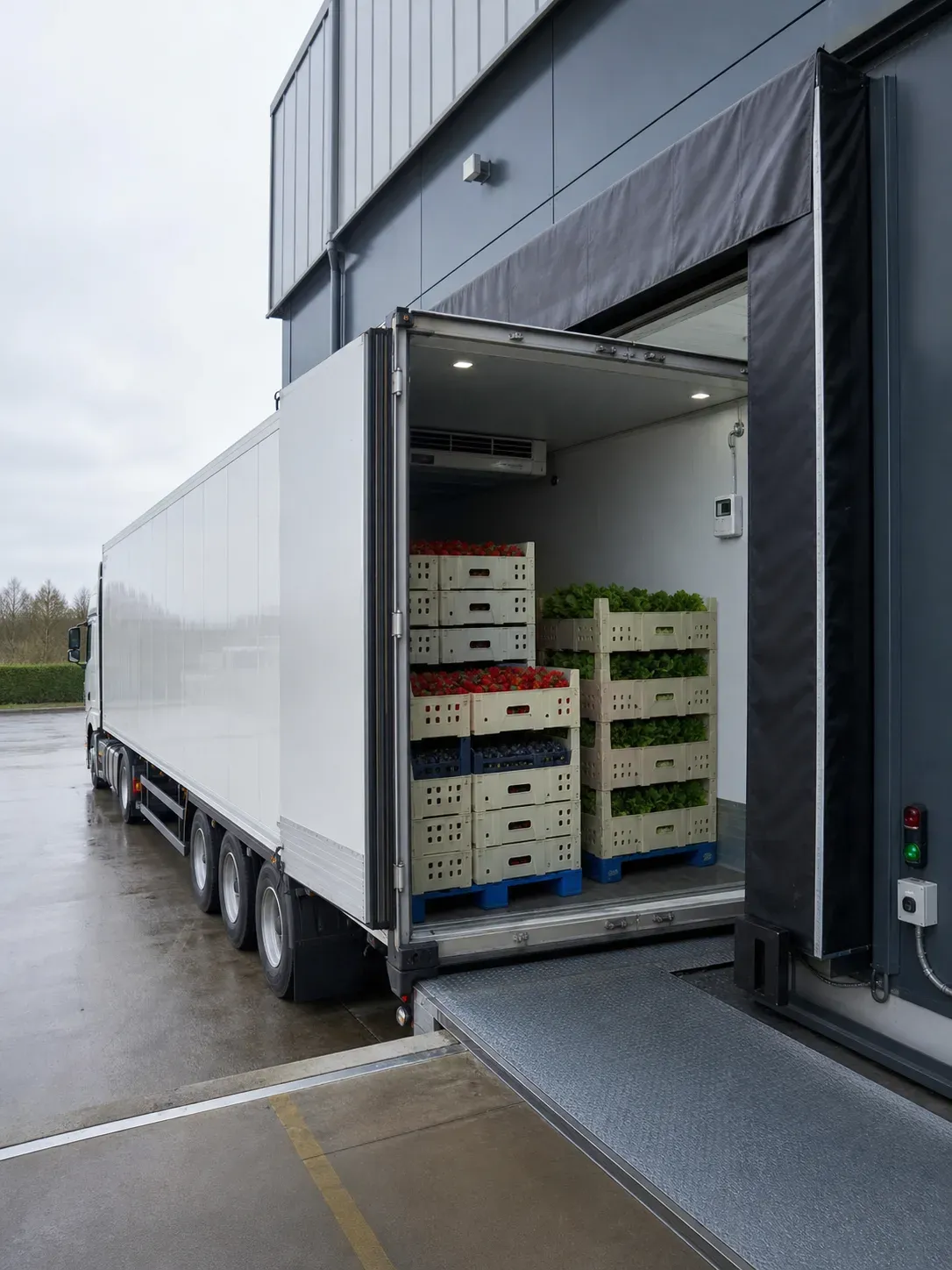
Inspections in series can outlast the cargo.
Running them together has to be set up before arrival, not once the goods are held.
An excursion is found at handover.
When nothing can be done about it. That is why the record travels with the goods.
Three conditions fail independently.
Approval, cold chain and inspection. Any one of them is enough to lose the consignment.
Questions
Can the declaration start before the goods land?
Where the route permits it, yes, and that is usually where the time is won. For this category the gain is not in the flight but in what has already been filed when the consignment arrives.
What happens if there is a temperature excursion?
It is normally discovered at handover, when nothing can be done about it. That is why the specification and the recording method are agreed before departure and the record travels with the goods rather than following them.
Two rounds of inspection are required. Can they be combined?
Often they can be arranged to run together, but only if it is set up before arrival. Once the goods are held, the inspections run in sequence, and for live and perishable cargo that sequence can outlast the cargo.
How long are live aquatic animals held on arrival?
At least fourteen days in a designated isolation facility, and it is a supervised process rather than a waiting period. Customs samples to a plan and oversees clinical inspection, husbandry, treatment, disposal of dead animals and the facility’s own management systems throughout. The fourteen days belong in the commercial plan from the start.
What is the risk if a consignment fails quarantine?
Larger than the consignment. Where isolation quarantine fails, the treatment notice covers all aquatic animals in that isolation facility — not only the batch that failed — and the facility is disinfected. Sharing a facility therefore means sharing another party’s disease risk, which is why facility selection and batching are commercial decisions here rather than operational details.
Our consignment transits a third country. Does that complicate the file?
It adds a transhipment statement covering the route and what happened in transit. That statement says whether the goods left customs supervision, whether the means of transport changed, whether packaging was opened or replaced, and for aquatic animals whether they entered that country’s water environment. A routing picked purely for freight convenience can become a documentary problem later, so routing and permit are best settled together.
Further reading