
Insight
One failed consignment can destroy every fish in the quarantine facility
Ornamental aquatic animals are held for at least fourteen days on arrival. If quarantine fails, the disposal order covers everything in that facility — not only the batch that failed.
- Published
Importing ornamental fish into China involves a risk that has nothing to do with your own consignment’s documentation, and it is the first thing worth understanding about the category.
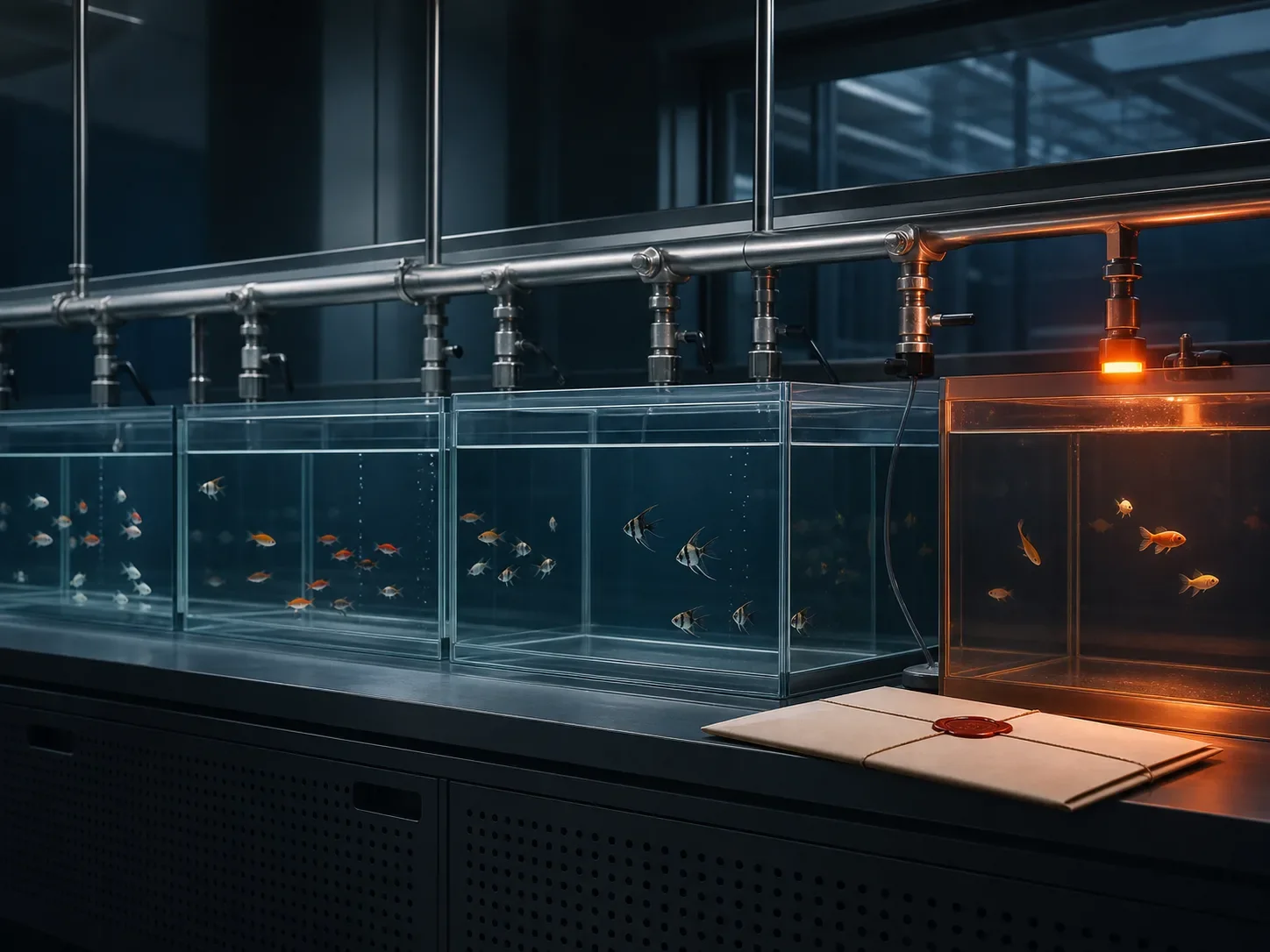
Every imported ornamental aquatic animal goes into a designated isolation facility for at least fourteen days. If quarantine passes, the goods are released with an Inspection and Quarantine Certificate for Inbound Goods. If it fails, customs issues a treatment notice and all aquatic animals in that isolation facility are culled or destroyed, and the facility is thoroughly disinfected.
Not the failing batch. Everything sharing the facility.
That single rule should shape how a serious importer thinks about facility selection, batching and scheduling. Sharing an isolation facility with an unknown third party’s consignment means accepting their disease risk as your own commercial risk, and no amount of care with your own documentation reduces it.
The order of the two permits is not interchangeable
The most common procedural error here is applying for the quarantine permit first. The sequence runs the other way:
- The isolation facility use certificate first. Apply to the customs office where the facility is located.
- Then the entry animal and plant quarantine permit, from the customs office covering that same facility — because the permit application requires the facility certificate as a supporting document.
Applying in the wrong order simply produces a rejected application.
What the facility application requires
- The application form for use of a designated entry-exit animal isolation quarantine facility
- A general layout plan of the facility, with photographs or video showing its main installations and surroundings
- The transport plan and route from the port of entry to the facility
- Where the facility’s user and owner are different parties, the use agreement between them
The transport plan is examined, not merely filed. The route between port and facility is part of the biosecurity arrangement, because that is when live animals are outside both.
What the quarantine permit application requires
- Proof of legal person status, for a non-enterprise applicant
- The designated isolation facility use certificate
- A transhipment statement, where the consignment passed through a third country after leaving the exporting country
The transhipment statement is more demanding than it sounds. It has to cover the route and what happened in transit: whether the goods left customs supervision, whether the means of transport was changed, whether packaging was opened or replaced, and whether the animals entered the water environment of the third country. A routing chosen for freight convenience can become a documentary problem months later, so it is worth settling the routing and the permit together.
Applications are made through the Internet+Customs platform, under approval for transit animals and entry of specific animals, plants and their products.
Access comes before everything
Before any of it, check that the combination is permitted at all. GACC operates a quarantine access system for imported ornamental aquatic animals, covering product risk analysis, assessment of the exporting country’s safety and health control system, determination of the inspection requirements, and registration of overseas breeding and packing facilities.
The permitted species and the approved exporting countries are published on the GACC website. A species or a country not on the list cannot be imported, and no permit or facility arrangement changes that.
Declaration documents
- The entry animal and plant quarantine permit
- The original official inspection and quarantine certificate from the exporting country’s competent authority, in the required format and content, travelling with the goods and arriving at the same time
- Trade contract, bill of lading, packing list, invoice
The certificate requirement is strict in a way that matters for live cargo: consignments arriving without a valid health certificate, or with it missing, are returned or destroyed. For fish, return is frequently not survivable, which makes the certificate the single highest-consequence document in the file.
During the fourteen days
Customs samples for laboratory testing on a plan, and supervises clinical inspection, husbandry, disease treatment, disposal of dead animals and the facility’s own management systems throughout. The isolation period is a supervised process rather than a waiting period, and the facility’s operating discipline is part of what is being assessed.
Planning consequences
Work backwards from the facility. Access first — species and country. Then a facility whose certificate you hold, or can obtain, and whose other occupants you are willing to be exposed to. Then the permit. Then routing, chosen so the transhipment statement stays simple. Then the health certificate, arriving with the fish.
Fourteen days of isolation sits between arrival and delivery in every case, and it belongs in the commercial plan from the beginning. For live cargo the schedule is set by the animals and the regulation, not by the freight.