
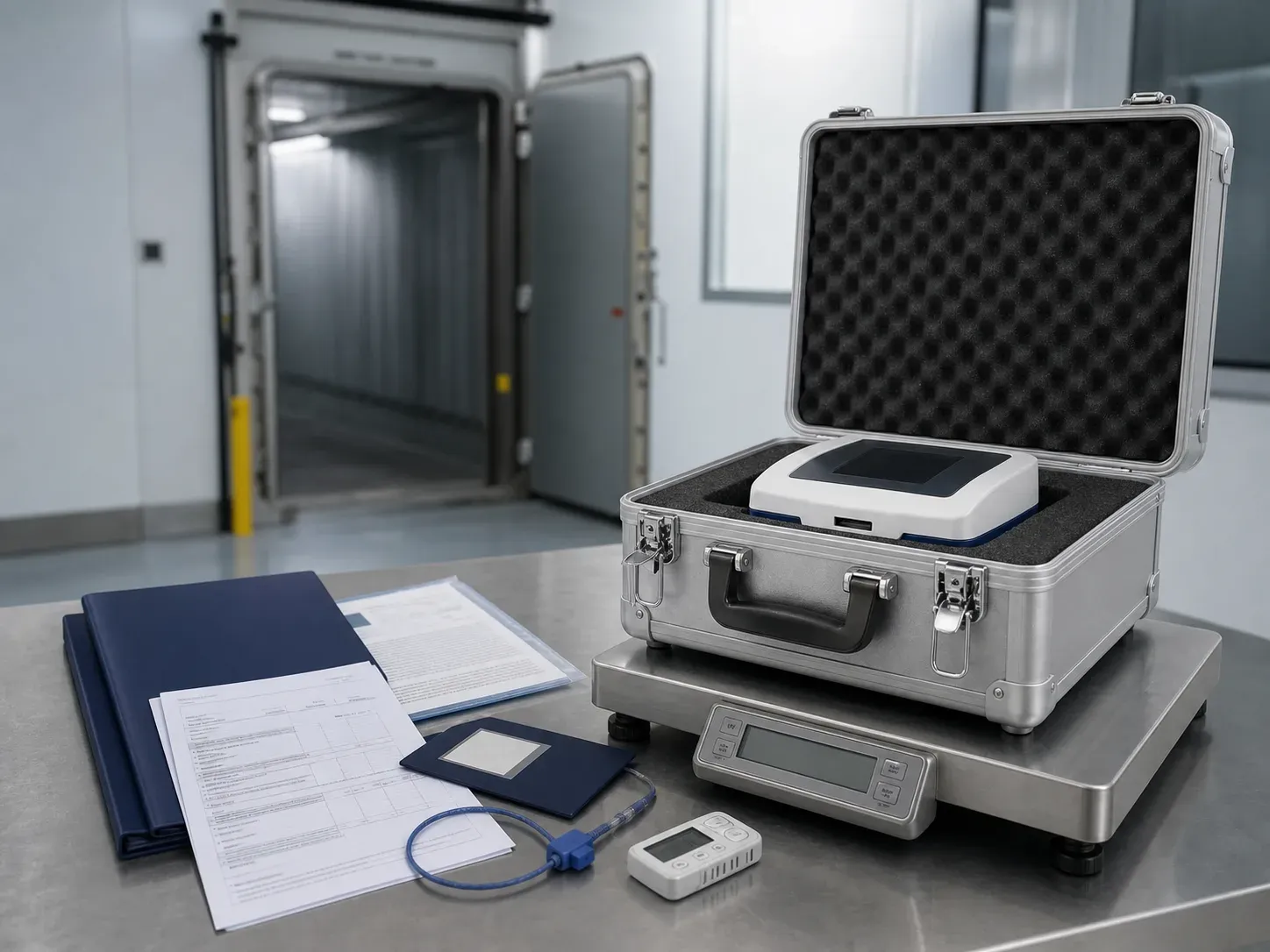
The shipment is ready. The consignee is not qualified.
This is the most common reason a China-bound shipment of regulated goods stalls, and it usually surfaces late — after the order is confirmed, sometimes after the goods have shipped.
Chinese import licences attach to the importing entity, not to the product.
Your buyer may be a well-run hospital, laboratory, distributor or manufacturer and still hold none of the category qualifications required to appear on the customs declaration for medical devices, biological materials, hazardous chemicals or artworks. Many end users have never needed them, because they have always bought domestically.
What “importer of record” means here
The importer of record is the party named on the customs declaration as responsible for the import. In China that responsibility is substantive, not administrative. It covers:
- the accuracy of the HS classification and the declared value
- holding the category licence or record-filing the goods require
- compliance with inspection, quarantine and labelling requirements
- retention of records, and answering for them in a post-clearance audit, which China Customs may open years after the goods have cleared
Whoever is named takes that on. This is why the arrangement is documented in full, and why we review your product and its documentation before we agree to act.
Two structures, both fully documented
Which structure fits depends on your category, your buyer’s own registrations, payment and foreign-exchange arrangements, and how you want the tax treated. We identify which one applies, and why, before you commit.
Import and resale
One of our licensed entities purchases the goods from you, imports them under its own qualifications, and sells them on to the end user in China. You invoice us; we invoice them. This is a genuine transfer of title, with the customs and tax treatment that follows from it.
Import agency
One of our licensed entities acts as appointed import agent under a written agency agreement, declares the goods in its own name, and carries the importer’s obligations while the commercial relationship stays between you and your buyer.
In both cases the declaration is made by an entity that genuinely holds the required qualification, in its own name, with full documentation. We do not make our qualifications available for use by others under their own declarations.
Who is responsible for what
| Responsibility | HAT | You |
|---|---|---|
| Customs declaration and classification | Yes | |
| Category licence or record-filing | Yes | |
| Import duties and VAT handling | Yes | |
| Inspection, quarantine and customs queries | Yes | |
| Post-clearance audit response | Yes | |
| Accuracy of product documentation supplied to us | Yes | |
| Product conformity in its country of origin | Yes | |
| Correct and complete safety data (for chemicals) | Yes | |
| Commercial terms with the end user | Yes |
How an enquiry proceeds
Steps 1 to 3 involve no commitment on your side.
- 01
Send us the product, its intended use in China, the country of origin and the end user’s situation. Technical documentation helps but is not needed at this stage.
- 02
We confirm the category, the licence required, and whether we hold it. If we do not, we say whether it can be obtained and roughly what that involves.
- 03
We propose a structure — import and resale, or agency — with the reasoning.
- 04
Documentation and agreement.
- 05
Declaration, clearance, and delivery to the end user, with the same team through to the end.
Categories we handle as importer of record
Not sure which category applies to your product? That is usually the first question worth answering, and it is where we start.
Biopharmaceuticals
Medicines containing biologically active ingredients, under the tightest control of any category.
Special articles
Items used directly or indirectly in treating, assessing or preventing human disease.
Biological materials
Live laboratory animals, tissue blocks and sections, cell lines, strains and research materials.
Hazardous chemicals
Two separate requirements: the right to trade, and the right to import that specific substance.
Medical devices
Class-based control. The licence required depends on the device’s risk class.
All regulated categories
Ten categories, each with its licence requirement and approval route.